
Georgia Operators Push Lawmakers to Expand Stalled Medical Cannabis Program
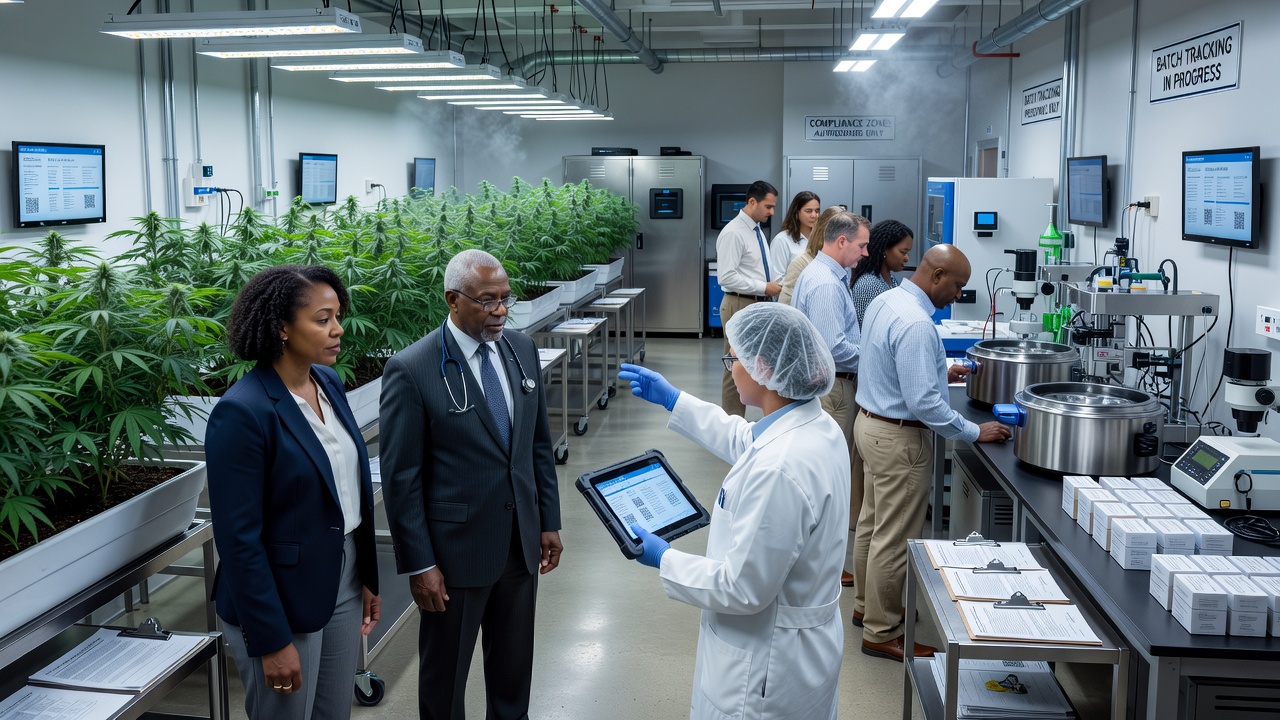
A decade after Georgia legalized medical cannabis, the program remains narrow, and the legislature keeps declining to widen it. In Macon, one of the state's three licensed medical cannabis producers opened its doors to lawmakers, physicians and patients this month, betting that a firsthand look at cultivation and manufacturing might do what years of testimony haven't: move a stalled bill forward.
Georgia Fine Fettle, which grows, manufactures and distributes cannabis products to dispensaries under the state's limited license structure, hosted the tour specifically to walk legislators through the mechanics of a tightly regulated supply chain - batch tracking, product testing, distribution logs, the whole compliance backbone that separates a licensed medical operator from anything grown informally. That kind of operational transparency matters in states where lawmakers remain skeptical of the industry generally. It's the same infrastructure question operators face across emerging markets; a dispensary evaluating its back-end systems, for instance, has to think about the same inventory and compliance architecture that a dispensary pos system delaware operator would rely on to keep sales, testing records and manifests aligned with state reporting rules. The technology differs by state, but the underlying demand - traceable, auditable product movement - does not. dispensary pos system delaware
Why the Legislation Keeps Stalling
Senate Bill 220 and House Bill 227 both died in their chambers this session. Neither was radical. Together they would have simplified the process for Georgians to obtain a medical cannabis card and updated allowable product forms so patients could access more effective delivery methods. That sounds like modest housekeeping. In practice, though, any bill that touches medical cannabis access in Georgia tends to face the same resistance it has for ten years - a legislature wary of expanding a program it approved reluctantly in the first place.
State Representative Anissa Jones, who joined the Macon tour, said seeing the production process firsthand changed how she thinks about the policy fight. Her point was straightforward: this isn't loosely regulated cultivation, it's a controlled manufacturing process built to produce consistent, testable product batches for patients who depend on reliable dosing. That distinction - consistency versus improvisation - is exactly what skeptical lawmakers need to understand before they'll vote to expand access.
The Access Gap Physicians Are Flagging
Dr. Elmore Alexander's concern points to a narrower, more technical problem: product form. Georgia's current program can serve roughly 80% of patients adequately, in his estimation, but the remaining population needs product options the state doesn't currently authorize. That's not a small operational detail for a limited-license market. When state law restricts product forms, manufacturers can't build formulations to meet documented patient need, no matter how sophisticated their cultivation or extraction capability becomes.
What's at Stake for Licensed Operators
For Georgia's small pool of licensed producers, the stakes go beyond patient access. A program stuck at ten years old with three operators and limited product forms constrains wholesale menus, caps revenue potential, and leaves little room for the kind of investment in facilities, testing infrastructure, or dispensary buildout that a maturing medical market usually attracts. Expanding card access and product categories wouldn't just help patients; it would give existing licensees a reason to scale operations rather than tread water in a market the legislature keeps hesitating to grow.