
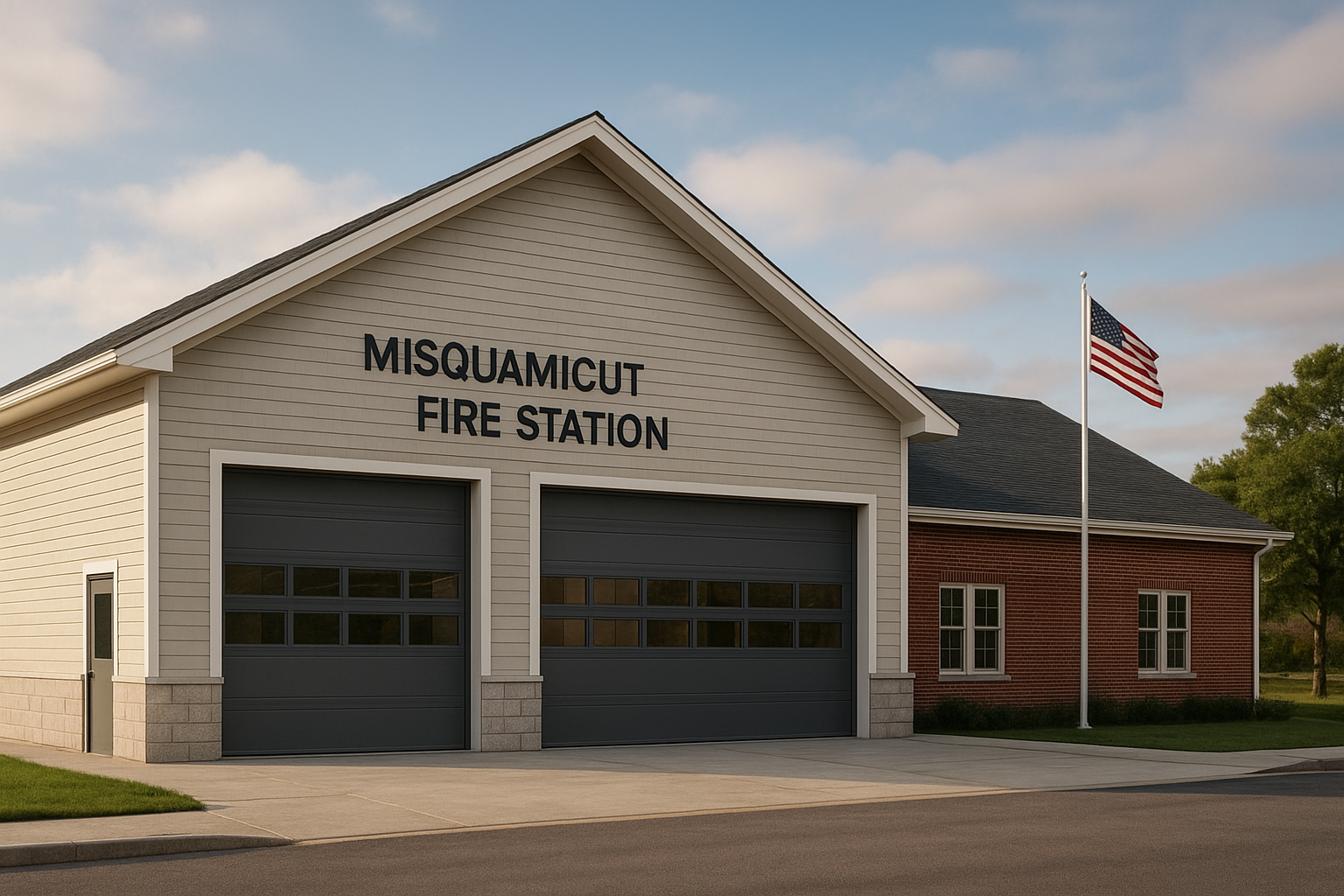
The Westerly Planning Board has granted preliminary plan approval for an expansion of the Misquamicut fire station, clearing a procedural milestone that moves the project closer to construction. The vote follows a technical review focused on site layout, traffic circulation, and consistency with the town's land use rules for one of Rhode Island's busiest shoreline districts.
Preliminary approval confirms the proposal generally aligns with Westerly's comprehensive plan, though final design conditions remain to be worked out. Planners scrutinized the placement of new building elements, apparatus bays, and parking relative to Shore Road, weighing how the expanded footprint would sit alongside nearby homes, rentals, and tourism-driven businesses along the beachfront corridor. point-of-sale with Metrc sync
Seasonal Pressure on a Coastal Station
Misquamicut's identity as a heavily visited beach community places real strain on local emergency services. Narrow streets, fluctuating summer traffic, and evacuation planning all factor into why a modernized station matters here more than in a typical inland district. Older housing stock and low-lying parcels add exposure to coastal flooding risk, a concern that shapes much of Westerly's long-range planning work.
Fire districts across the region have been reassessing whether legacy stations still fit the job. Larger apparatus, expanded equipment inventories, and updated staff-safety standards have left many mid-century buildings functionally undersized - this expansion reflects that broader shift toward right-sizing facilities for current operational demand.
What Comes Next
With preliminary approval secured, the applicant must return with a final plan package addressing any conditions the board attached, including updated engineering drawings, utility coordination, and drainage management consistent with town standards. Financing and contractor bidding typically proceed alongside that final review, with construction timing often scheduled to limit disruption during peak beach season.
For residents and visitors, the project signals a concrete step toward stronger emergency response capacity in a neighborhood where population swings dramatically each summer - a modest bureaucratic milestone, perhaps, but one with tangible stakes for coastal public safety.